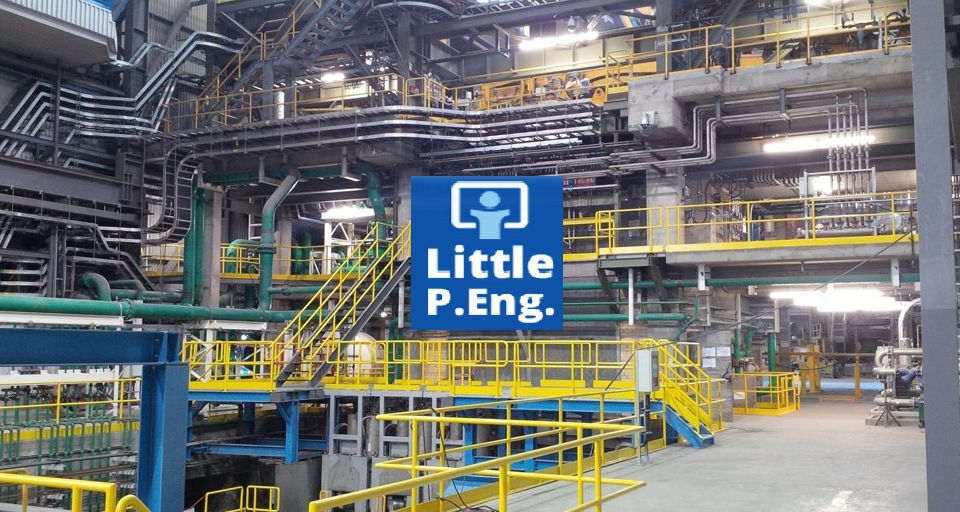
Industrial engineering systems are responsible for keeping factories, refineries, power plants, and manufacturing facilities operating safely and efficiently. These systems include interconnected piping networks, pressure equipment, structural frameworks, and thermal processing units that must function together without interruption. Companies operating in oil and gas or heavy manufacturing environments depend on reliable engineering analysis to reduce downtime, maintain compliance, and improve long term performance. This is where professional engineering consultancies become essential for project planning and technical evaluation.
Engineering firms such as Little P.Eng. Engineering specialize in helping industries solve technical challenges through simulation, piping design, and structural assessment. Their services support businesses that require safe industrial layouts, stress verification, and efficient process flow management. Many industries now rely on fea piping experts to identify hidden operational risks before they become expensive failures. With growing regulatory standards and higher production demands, engineering analysis has become a critical investment rather than an optional service.
Why Piping Analysis Matters in Heavy Industries
Piping systems carry steam, chemicals, gas, liquids, and other process materials under varying pressure and temperature conditions. If these systems are not properly designed, they may experience vibration issues, thermal expansion problems, joint leakage, or structural instability. In industries such as energy production and petrochemical processing, even a small piping failure can interrupt operations and create serious financial losses. Proper engineering evaluation helps companies avoid these operational risks while improving equipment reliability.
Modern industrial facilities require detailed simulations before installation or modification work begins. Engineers evaluate stress loads, support placements, flexibility, and movement under operational conditions to ensure safe performance. This process allows businesses to reduce maintenance costs and improve equipment lifespan over time. Industrial clients often prefer working with experienced consultants because advanced analysis can reveal weak areas that may not be visible during standard inspections or basic design reviews.
The Growing Demand for Accurate Simulation Services
Engineering simulation services have become increasingly important because industries now operate under stricter safety expectations and tighter project budgets. Simulation software allows engineers to study the behavior of piping systems, support structures, and industrial equipment before physical construction starts. These digital evaluations help companies make informed decisions while minimizing unnecessary material expenses and operational risks. The result is better planning accuracy and stronger system performance.
Many companies seek professional guidance from specialists who understand industrial operational conditions in detail. Businesses investing in advanced analysis often discover that accurate engineering calculations improve both productivity and compliance standards. Reliable consultants also help organizations reduce unexpected shutdowns caused by poor design decisions or overlooked thermal effects. As industries continue modernizing their infrastructure, engineering simulation remains one of the most valuable tools for achieving long term operational stability.
How Engineering Consultancy Improves Plant Safety
Industrial facilities contain highly sensitive systems that operate under intense temperatures and pressure levels. Without proper design validation, these conditions can place excessive stress on piping components and support structures. Engineering consultancy services help identify these concerns during the planning stage so companies can avoid costly emergencies later. This proactive approach improves worker safety while helping facilities maintain uninterrupted operations throughout the year.
Companies such as Little P.Eng. Engineering support industrial clients through detailed assessments that focus on compliance, reliability, and performance optimization. Their engineering expertise allows businesses to design systems that align with regional codes and operational standards. Organizations working with experienced consultants often gain better project efficiency because technical issues are addressed early in the development process. Engineering support also helps plant operators maintain confidence in the safety and durability of their systems.
Key Factors That Influence Piping Performance
Piping performance depends on multiple engineering variables including temperature changes, material properties, pressure fluctuations, and equipment movement. If these factors are ignored during the design phase, industrial systems may experience fatigue damage or mechanical instability over time. Careful analysis helps engineers understand how each component behaves under operating conditions and allows them to create more durable layouts for demanding environments.
Businesses often rely on fea piping experts when projects involve complex industrial systems requiring detailed stress evaluation. Professional engineering assessments provide clear insights into support placement, flexibility management, and vibration control. These evaluations are especially important in industries where operational interruptions can create major production losses. Accurate planning not only improves reliability but also increases confidence during inspections and compliance reviews.
- Proper support design reduces mechanical stress on pipelines
- Thermal expansion analysis helps prevent structural damage
- Simulation services improve maintenance planning accuracy
- Engineering verification supports industry code compliance
Regional Compliance and Industrial Regulations
Industrial engineering projects must comply with regional safety regulations and internationally recognized engineering standards. Different countries and industries may follow specific guidelines for piping design, stress analysis, and structural verification. Companies operating in sectors such as power generation or petrochemical processing often need documented engineering calculations to satisfy inspection authorities and insurance requirements. Compliance failures can result in operational delays, penalties, or serious safety concerns.
Engineering consultancies help organizations understand these regulatory responsibilities while ensuring technical designs meet required standards. Professional reviews also assist project managers during approval stages by providing accurate technical documentation and analysis reports. Working with qualified specialists gives businesses greater confidence when dealing with audits, inspections, or facility expansion projects. Regulatory compliance is no longer only about legal responsibility because it also directly affects operational reputation and client trust.
Practical Recommendations for Industrial Projects
Industrial companies planning upgrades or new installations should prioritize engineering evaluation during the earliest stages of project development. Delaying analysis often leads to redesign costs, construction delays, and performance inefficiencies later in the process. Businesses can improve project success by reviewing thermal loads, support locations, and operational requirements before fabrication begins. Early collaboration between engineering consultants and project teams creates smoother workflows and reduces avoidable technical complications.
Another practical recommendation is to conduct periodic system reviews even after installation is complete. Operating conditions may change over time due to production expansion, equipment replacement, or process modifications. Companies that regularly reassess their systems can identify developing issues before they escalate into operational failures. Many industrial operators choose fea piping experts because professional analysis provides reliable technical insights that improve both maintenance planning and long term asset management.
The Role of Technology in Modern Engineering
Engineering technology has evolved significantly over the last decade, allowing consultants to deliver more accurate simulations and faster project evaluations. Advanced software now helps engineers model complex industrial systems with high precision while studying movement, vibration, and stress distribution under different operating scenarios. These technological improvements allow companies to optimize designs before physical construction starts, reducing both material waste and operational uncertainty.
Digital engineering solutions also improve communication between project stakeholders because technical results can be visualized more clearly. This allows decision makers to better understand performance concerns and evaluate alternative design strategies. Modern engineering firms increasingly combine technical expertise with simulation technology to support efficient industrial operations. Businesses working with Little P.Eng. Engineering often benefit from detailed analytical approaches that strengthen safety, compliance, and operational efficiency across industrial facilities.
Future Opportunities in Industrial Engineering Services
The future of industrial engineering services continues to expand as industries modernize infrastructure and pursue greater operational efficiency. Facilities are becoming more technologically advanced, which increases the need for accurate engineering validation and simulation support. Companies investing in modernization projects require detailed assessments to ensure that upgraded systems can safely handle changing production demands. Engineering consultancy therefore remains essential for industries focused on sustainability, reliability, and long term growth.
As industrial standards continue evolving, businesses must remain proactive about system safety and technical performance. Choosing experienced consultants allows organizations to improve project quality while reducing operational risks and maintenance costs. Companies searching for dependable technical support often turn to fea piping experts for advanced engineering analysis and optimization strategies. Strong engineering partnerships help industries build safer facilities, maintain compliance standards, and achieve better operational performance in highly competitive markets.
